
Wildfire Readiness in the Age of AI: Geospatial Data Strategies
See how CAL FIRE uses AI to keep mapping data current and accurate to enhance wildfire preparedness, mitigation, and recovery at a statewide scale.
Geospatial data for wildfire preparedness, mitigation, and recovery
For many years, geospatial technology has played a pivotal role in helping state and local governments prepare for wildfires by providing a detailed view of both the natural and built environments, as well as tools to analyze hazard factors and develop data-driven mitigation and recovery strategies.
With data representing land cover, land use, infrastructure, and property boundaries, agencies can identify high-risk areas, plan defensible space programs, and prioritize fuel reduction efforts to better prepare for and mitigate future wildfire events. During wildfire season, geospatial data supports real-time monitoring, evacuation planning, and resource deployment, ensuring that emergency response is both efficient and targeted.
Like other state and local government organizations, the California Department of Forestry and Fire Protection (CAL FIRE) integrates geospatial intelligence into wildfire readiness strategies to better protect communities, natural resources, and critical infrastructure. However, despite being one of the world’s most technologically advanced fire and forestry agencies, CAL FIRE still grappled with a common geospatial data challenge: maintaining a comprehensive, precise, and up-to-date database of essential map features in a constantly changing world. Compounding this challenge is the increasing intensity and frequency of global wildfires; four of the most destructive wildfires in all of California’s history have occurred since 2017.
The challenge: keeping data accurate and current across dynamic landscapes
CAL FIRE is responsible for the wildfire readiness and response efforts across over 32 million acres of land - more than 30% of the most populous US state. Given this geographic scale and the frequent land use changes that occur to support a large population, creating and maintaining a geospatial database with all the features needed to understand and respond to wildfire hazards effectively is no small task.
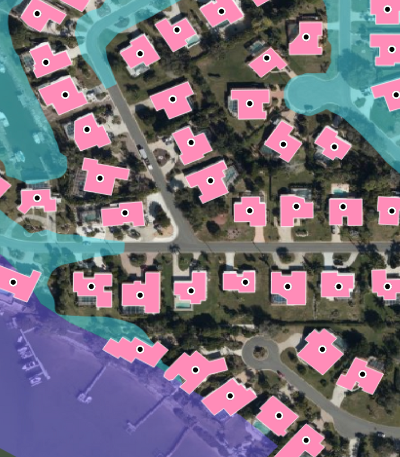
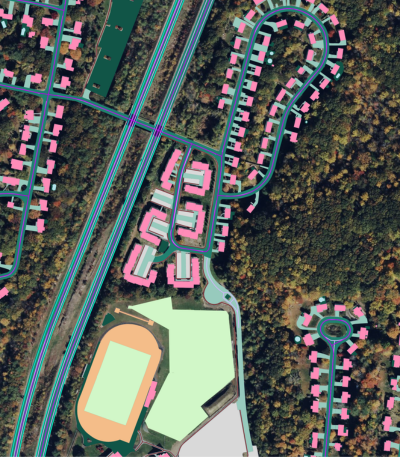
While it is possible to hand-trace each of these features from geospatial imagery, the process is extremely time-consuming, resource-intensive, and difficult to maintain over time at a large scale. Additionally, over time, open source datasets can become outdated, incomplete, and inconsistent, creating accuracy issues that make them unfit for wildfire hazard analytics. For example, a 54,187 discrepancy was found when comparing open source building footprint data with Ecopia AI’s dataset in Orange County, California, as can be seen in the image below:
[slider]
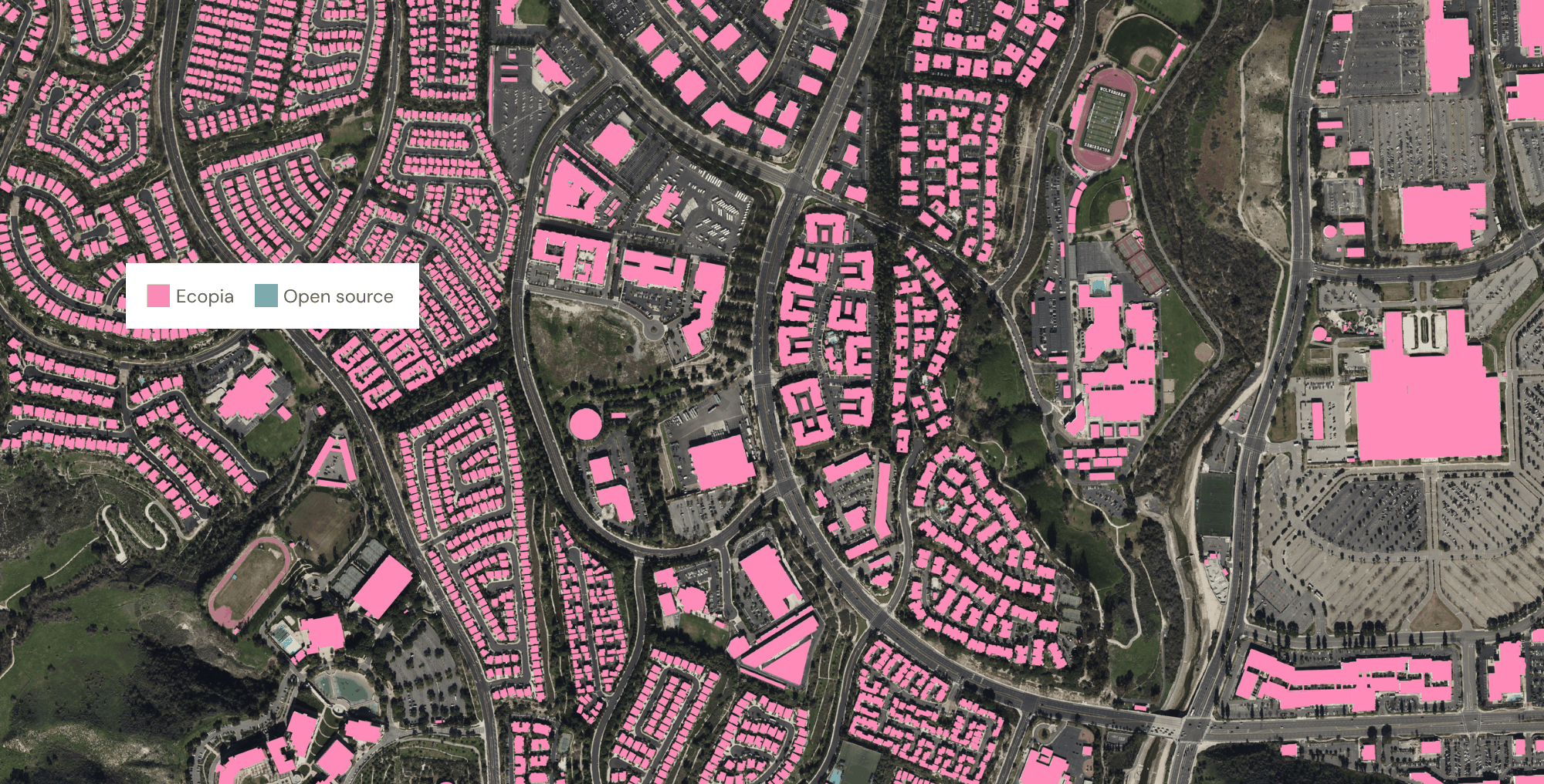

276,033 Ecopia AI building footprints were identified within Orange County’s fire hazard severity zones, compared to only 221,846 open source.
Additionally, the comprehensive land cover features needed to understand the wildfire hazard risk for those building footprints are not readily available from open sources.
To overcome these challenges in large-scale data creation and maintenance, CAL FIRE turned to AI-based mapping.
The solution: AI feature extraction
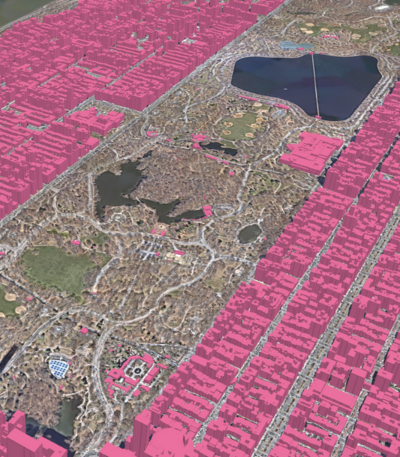
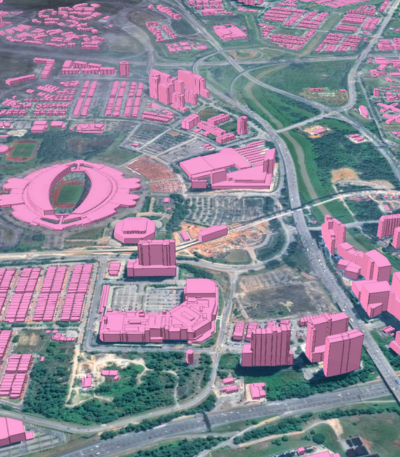
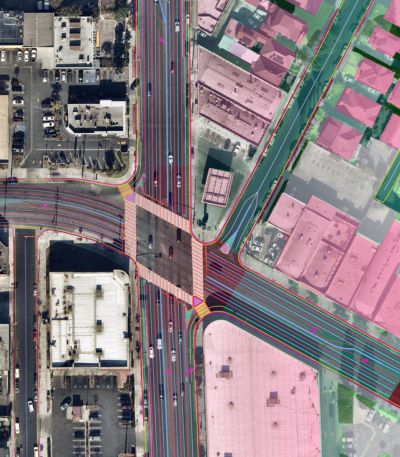
Ecopia AI (Ecopia) leverages an AI map engine to extract detailed features such as buildings, vegetation, and other land cover classifications from the latest high-resolution imagery, delivering high-precision maps that reflect real-world conditions. This scalable approach enables rapid data production across vast areas, providing organizations like CAL FIRE with the comprehensive, accurate, and up-to-date information they need to support planning, analysis, and decision-making.
To inform CAL FIRE’s industry-leading wildfire analytics, Ecopia provided a detailed database of the following features:
2D land cover
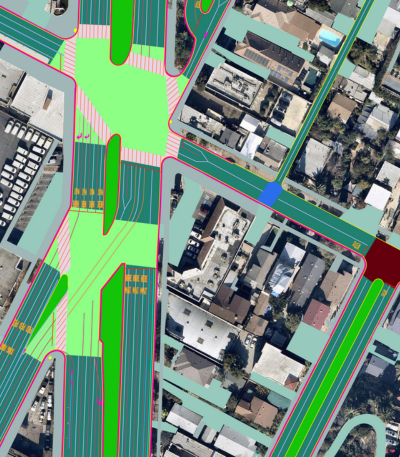
Leveraging high-resolution aerial imagery from Hexagon, Ecopia extracted 16 layers of land cover, including detailed classifications of vegetation types and impervious surfaces that provide insight into fire spread.

Geocoded building footprints with hazard attribution and parcel boundaries
Over 9 million height-attributed building footprints were also extracted from the imagery, appended with the following fire factor details calculated using the land cover layers:
- Building footprint square footage
- Distance to closest tree canopy
- Distance to closest water body or swimming pool
- Distance to nearest building
- Distance to nearest road or driveway
Each building footprint contains additional attributes related to zoning and geocoding information, including its address string and a set of unique identifiers indicating important property relationships, like when multiple buildings are located on the same parcel or associated with the same address.
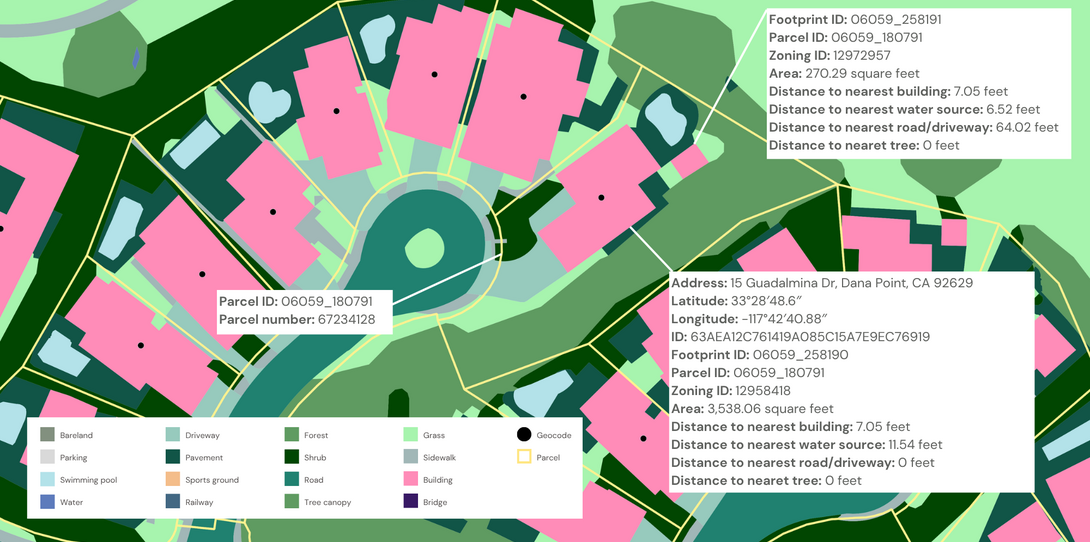
Geocoded address points and parcel boundaries were also provided for increased flexibility in geospatial visualization and analytics. Ecopia’s unique building-based methodology for geocoding enables address points to be associated with a building footprint centroid rather than a parcel or street segment centroid, offering greater precision in wildfire analysis and emergency response, particularly in rural areas. While many building footprint and geocoding datasets are created based on population and lack coverage in rural areas, Ecopia’s imagery extraction approach ensures that all structures are captured and included in the data.
Statewide applications of GeoAI for wildfire readiness
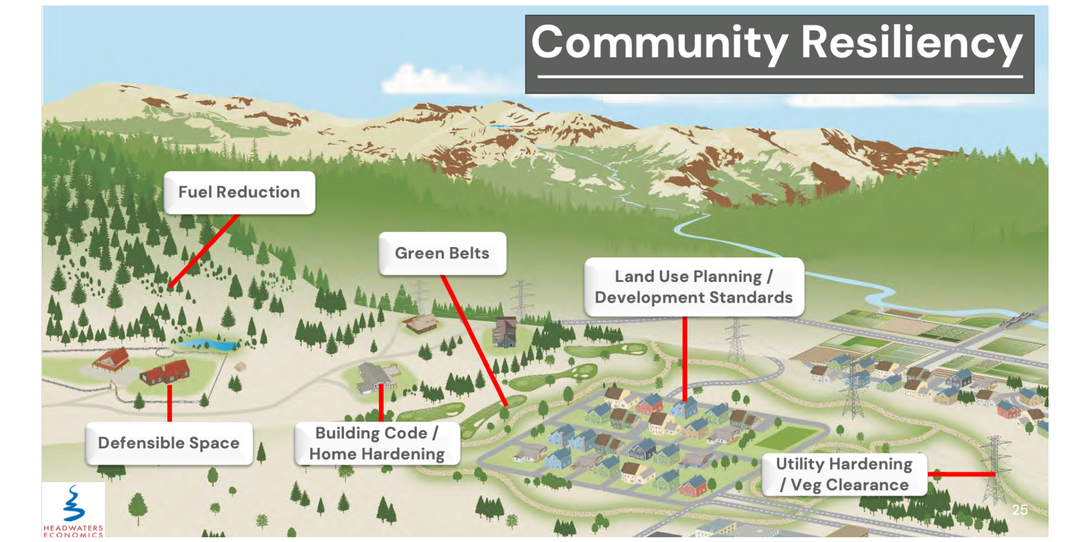
From classifying areas of California based on fire hazard to enhancing community resilience and providing emergency services, geospatial data is at the heart of many of CAL FIRE’s prevention, preparedness, and recovery programs. For example, CAL FIRE works with local governments to identify fire safety issues such as areas or structures with a single access road or inadequate road width for emergency services.
Fire hazard severity zone mapping
Fire hazard severity zone (FHSZ) mapping is a foundational component of CAL FIRE’s wildfire prevention strategy, guiding where fire-resistant building codes and land use policies apply across the state. These maps are updated regularly to reflect dynamically changing land use and categorize areas as moderate, high, or very high hazard zones based on vegetation type and proximity to fire factors. The process combines scientific modeling of flame length and burn probability in wildland areas with assessments of ember exposure and proximity in developed zones where fire spread is influenced more by distance to the closest vegetation hazards.
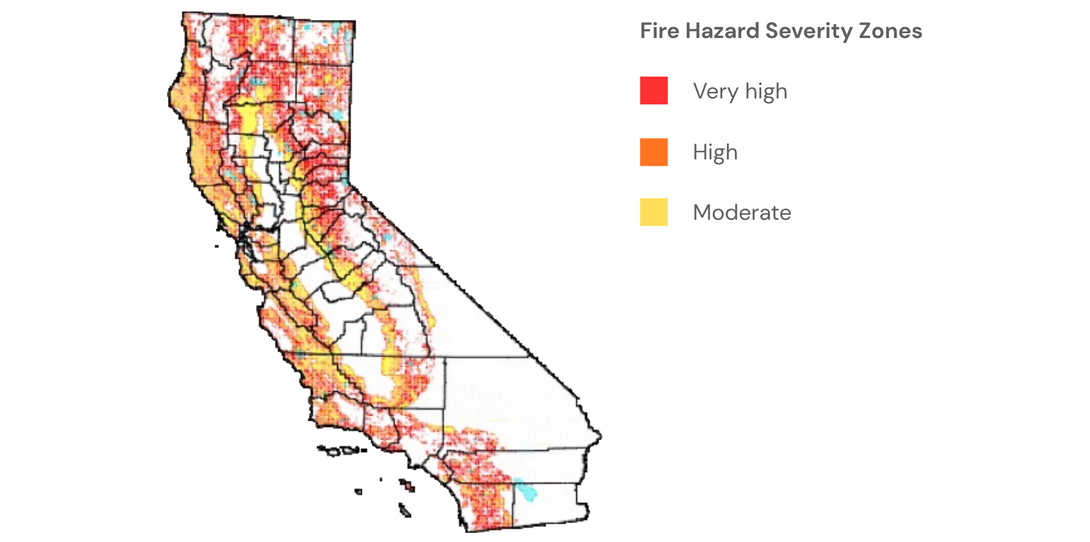
High-quality, fine scale geospatial data enables CAL FIRE to more accurately delineate the boundary between urban and wildland areas, a critical step in refining hazard classifications. The updated FHSZ maps not only inform building code standards and real estate disclosure requirements but also help local governments integrate fire safety considerations, like road access and evacuation routes, into their general plans, ultimately strengthening community resilience against wildfires.
Post-fire damage inspection
Post-fire damage inspection is a critical step in CAL FIRE’s wildfire response and recovery efforts, helping officials quickly assess destruction and guide safe reentry into burned areas. Following major incidents like the 2025 Palisades and Eaton fires in Los Angeles, which together destroyed more than 16,000 structures and claimed 29 lives, CAL FIRE uses detailed geospatial data to identify damaged structures within fire perimeters. This information supports both operational needs, such as directing inspection crews and communicating with FEMA and the media, and public transparency through online data viewers.

Accurate building data also plays a key role in ongoing research into structure susceptibility, as CAL FIRE investigates how proximity to other structures, not just vegetation, contributes to losses during urban conflagrations. In addition to field inspections, CAL FIRE’s remote sensing intelligence group conducts rapid aerial assessments to provide early damage estimates. Together, these tools and datasets enable a comprehensive, data-driven approach to understanding fire impacts, improving models of structure vulnerability, and ultimately strengthening California’s resilience to increasingly destructive wildfire events.
Creating defensible space
CAL FIRE’s defensible space program has evolved significantly through the use of geospatial technologies. Once a paper-based process, the program now uses digital tools and dashboards to track inspections across hundreds of thousands of parcels each year. These inspections ensure fire-safe clearance around structures by removing flammable materials, managing vegetation, and reducing fuel sources within 5-100 feet of structures.

Data from this program not only helps CAL FIRE meet inspection goals set by the legislature but also empowers the public to see progress toward community safety. The adoption of modern, location-based tools has been instrumental in turning defensible space from a static compliance task into a data-driven wildfire resilience initiative.
Mapping the future of wildfire readiness with GeoAI
By integrating high-resolution building footprints and detailed land cover data from Ecopia into fire hazard severity mapping, defensible space inspections, and postfire damage assessments, CAL FIRE can make faster, more informed decisions before, during, and after wildfires. This fine-scale data improves the accuracy of hazard models, helps prioritize mitigation efforts, and guides resource deployment in both urban and wildland areas. Looking ahead, CAL FIRE’s use of AI-driven geospatial intelligence represents a critical step toward a more proactive, data-driven approach to wildfire preparedness - one that enhances community safety, supports researchers in refining predictive models, and ultimately builds a stronger, more resilient California.
In a recent National States Geographic Information Council (NSGIC) webinar, CAL FIRE Research Data Manager Mark Rosenberg and Ecopia AI Senior Associate Thomas Peck discussed how geospatial artificial intelligence - or GeoAI - is transforming wildfire preparedness, mitigation, and response by making it possible to keep essential mapping data both accurate and up-to-date for analytics, even at the scale of a large state like California. Check out the recording below:
[video] https://www.youtube.com/watch?v=PZmX0GAVZvQ
To learn more about Ecopia’s geospatial data and support of state governments, get in touch with our team.
Learn more about Ecopia


Ready to get started?
