
A New Geospatial Era: 3D Maps Aligned Across Sensors & Time
See how Ecopia & Vantor's partnership produces high-accuracy global map data, consistently aligned with the most recent imagery for precise geospatial insights.

For years, creating and maintaining high-quality map data at scale has been a persistent challenge for geospatial teams. Imagery is more abundant than ever, but turning that imagery into reliable, high-quality vector data at scale - and keeping it current with the latest imagery - remains a major challenge. Geospatial end users are often left with a difficult tradeoff: invest heavily in ongoing data maintenance or work with maps that are already out of date.
Ecopia AI (Ecopia) and Vantor (formerly Maxar Intelligence) are transforming how we see - and map - the world. Combining our respective expertise, we’ve unlocked the ability to develop consistent and current map data across the globe efficiently, accurately, and cost-effectively. This blog explores how our groundbreaking new offering eliminates some of the most complex challenges facing today’s geospatial industry.
Top 5 challenges facing today’s mapmakers
[slider]
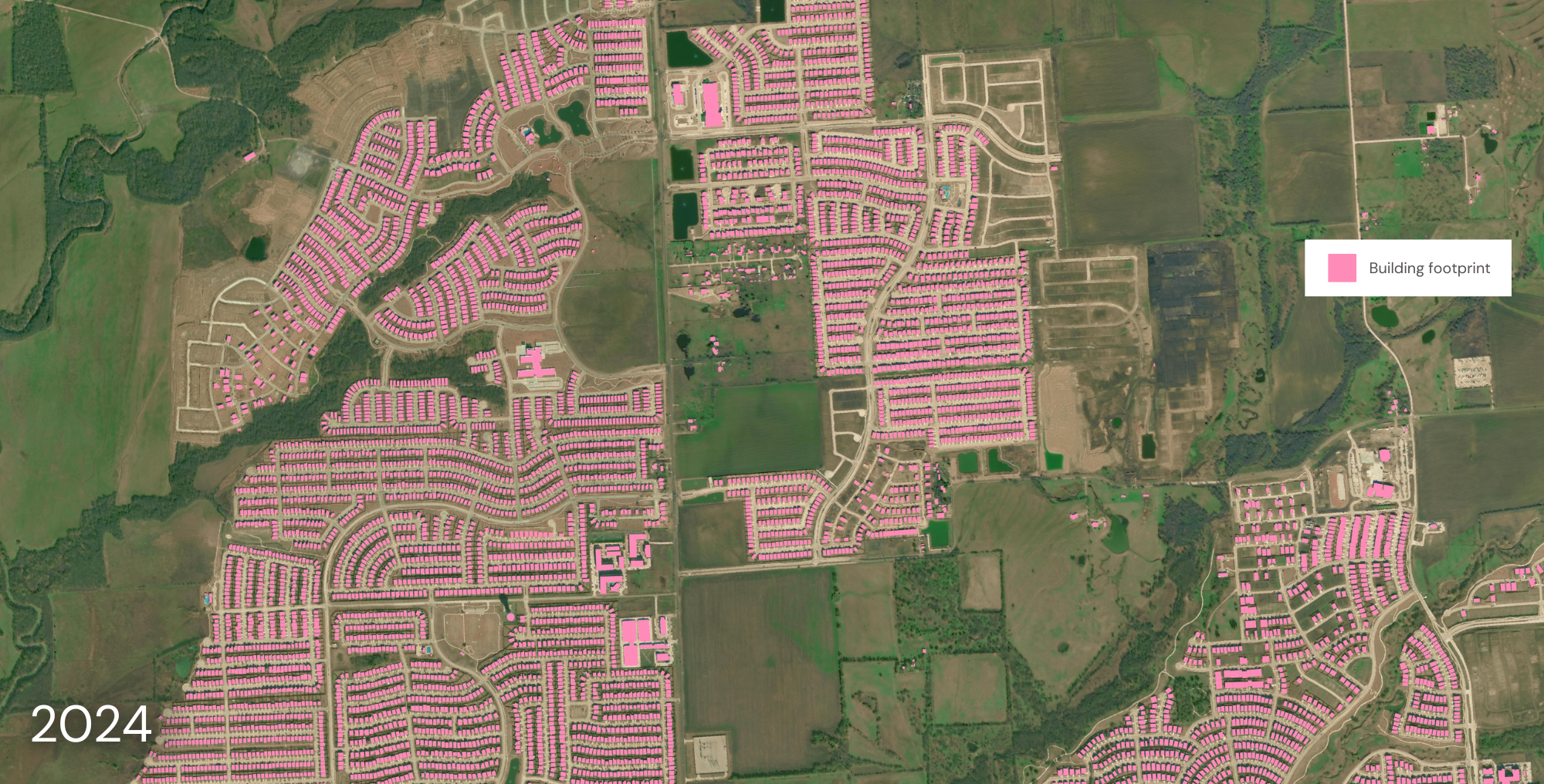

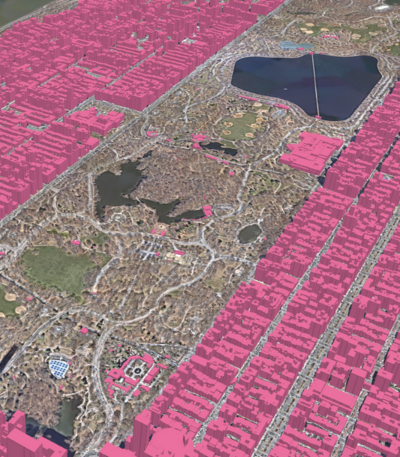
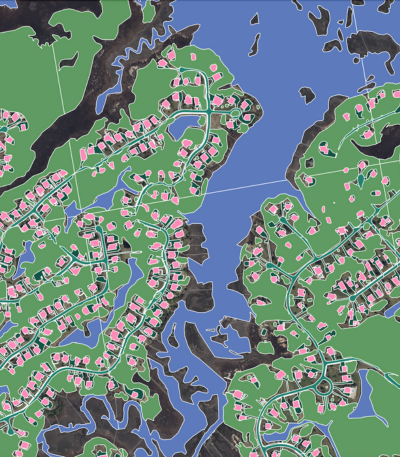
Keeping map data accurate and up-to-date is especially challenging in rapidly changing and developing areas; this sample is in Dallas, Texas.
1. Change detection & data updating
Keeping maps aligned with real-world conditions has long been one of the most difficult challenges in geospatial workflows. While new imagery is captured frequently to reflect on-the-ground conditions, turning that imagery into updated, reliable vector data has traditionally been slow and manual. The result? Many organizations work with basemaps that lag months - or even years - behind reality.
As imagery volumes increase and update cycles accelerate, these manual processes become increasingly unsustainable. Instead of keeping maps current, many organizations are forced to accept outdated or incomplete data - creating a growing gap between what was mapped and what exists on the ground. This delay makes effective change detection difficult, limiting the usefulness of map data for fast-moving use cases like urban growth monitoring, disaster response, and infrastructure planning.
2. Sensor alignment
Imagery collected from different sensors, at different times, and under varying conditions can introduce inconsistencies that are hard to reconcile for effective vector mapping. As new imagery becomes available, slight positional shifts between imagery layers can cause vectors to “drift,” and previously digitized features may no longer align cleanly. These “drifting” vectors make it difficult to perform reliable change detection and trend analysis, or consistently maintain basemaps.
Without a unified spatial foundation, organizations struggle to trust that features represent the same real-world location across datasets - especially at national or continental scales where even small errors can compound quickly. These misalignments introduce uncertainty into analysis workflows and models, forcing teams to manually realign data, an error-prone and resource-intensive process that undermines confidence in long-term spatial comparisons.
3. Spatial accuracy
Maintaining high geometric accuracy at scale has historically required significant human involvement. Automated extraction methods often struggle to meet the accuracy standards needed for mission-critical applications, but the alternative - manual digitization - is costly and difficult to scale. This creates a tradeoff between speed and precision, especially for large-area mapping efforts where even small positional errors can compound across thousands of square kilometers.
Spatial accuracy is foundational to nearly every geospatial use case because it determines whether map data can be trusted to represent real-world conditions. If features are not precisely aligned to their true locations, analytics are not repeatable, comparisons lack meaning, and decisions become based on artifacts of the mapping process rather than reality.
[slider]
.png)
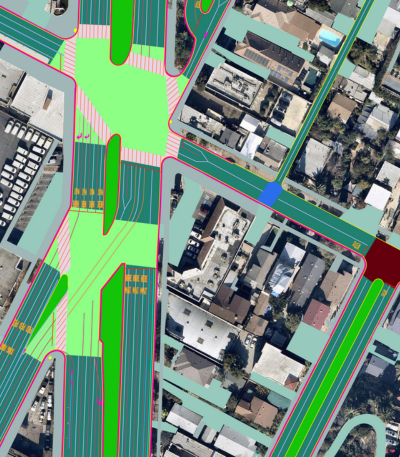
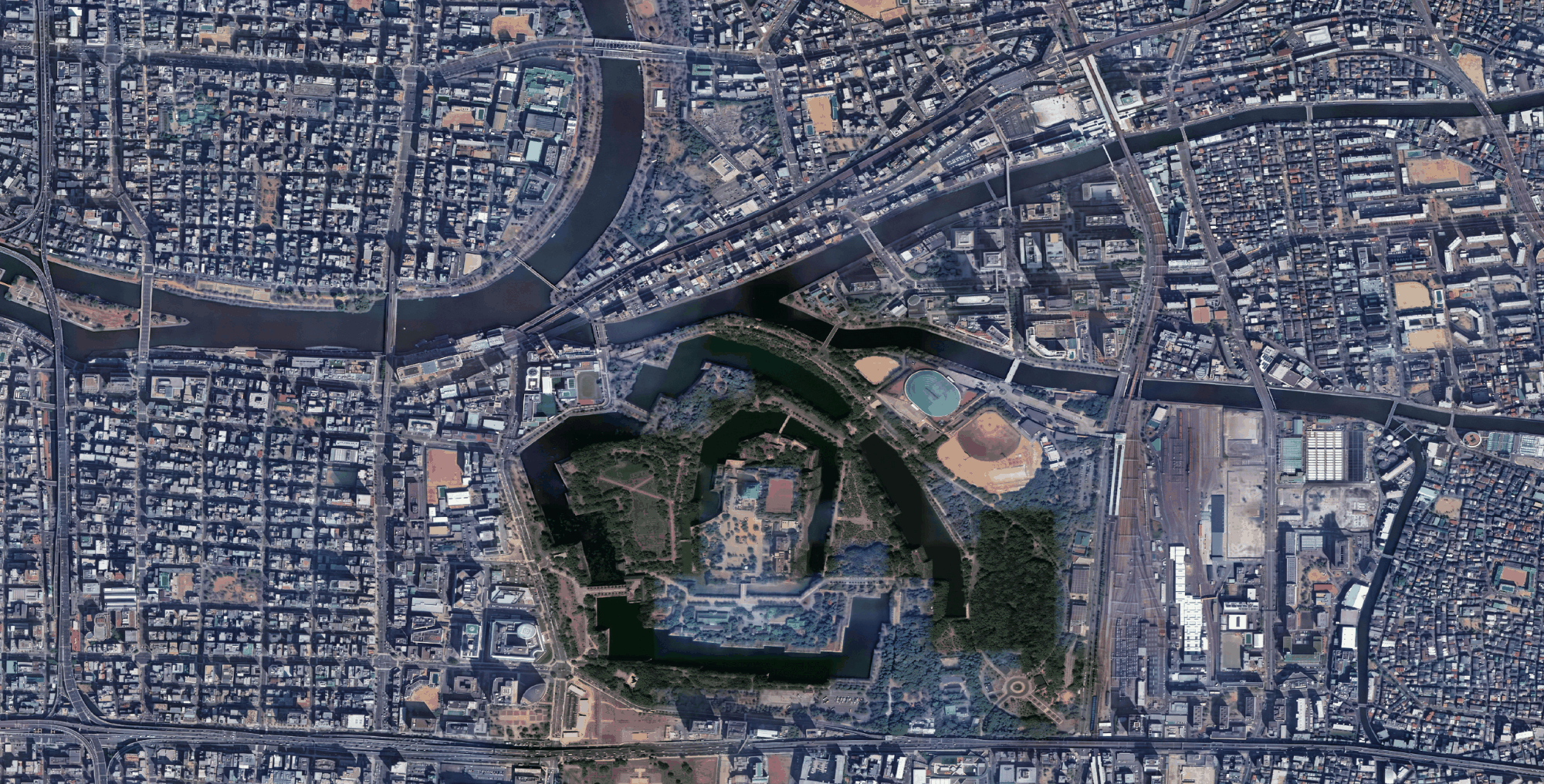
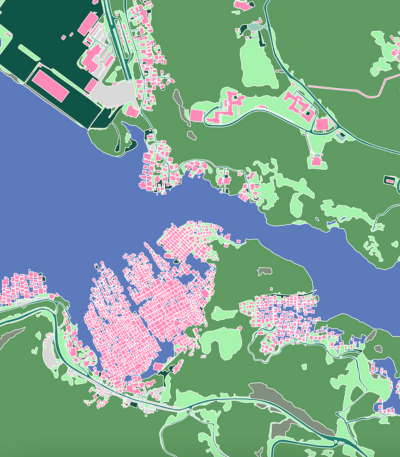
A sample of land cover extracted from imagery in Osaka, Japan.
4. Consistency at scale
Scaling map production across regions, countries, or continents introduces another layer of complexity. Differences in data schemas, production methods, and regional standards make it difficult to create a unified dataset that behaves consistently across diverse geographies. As mapping efforts expand geographically, these inconsistencies tend to compound. Variations in how buildings are defined, how roads are classified, or how land cover is labeled can skew analytical results, undermine cross-border comparisons, and limit the usefulness of automation. For global basemaps, change detection, or large-scale planning initiatives, inconsistency erodes trust in the data and makes it harder to scale insights from local to regional or national levels.
Organizations performing global mapping analytics often end up relying on a patchwork of imagery sources, manual digitization workflows, and region-specific datasets that were never designed to work together. Managing these fragmented datasets requires extensive normalization before they can even be used together. Without a truly consistent global dataset, end users must continually rework disparate data to make it usable at scale.
5. Data availability
While high-quality map data is often readily available for major cities and economically developed regions, vast areas of the world remain data deserts with little to no reliable vector coverage. These gaps are not accidental; they are the result of high production costs, limited local resources, inconsistent imagery access, and manual mapping workflows that make it difficult to justify investment in regions perceived as lower priority.
As a result, organizations in these underserved areas rely on outdated, incomplete, or generalized datasets that fail to reflect conditions on the ground. For end users operating globally, this lack of data creates blind spots that undermine trend analysis and regional comparisons. However, expanding data availability at a global scale requires more than occasional mapping projects - it demands an automated, imagery-driven foundation that can deliver consistent, high-quality data anywhere on Earth. Without a scalable, repeatable approach to map production, data deserts tend to persist rather than shrink.
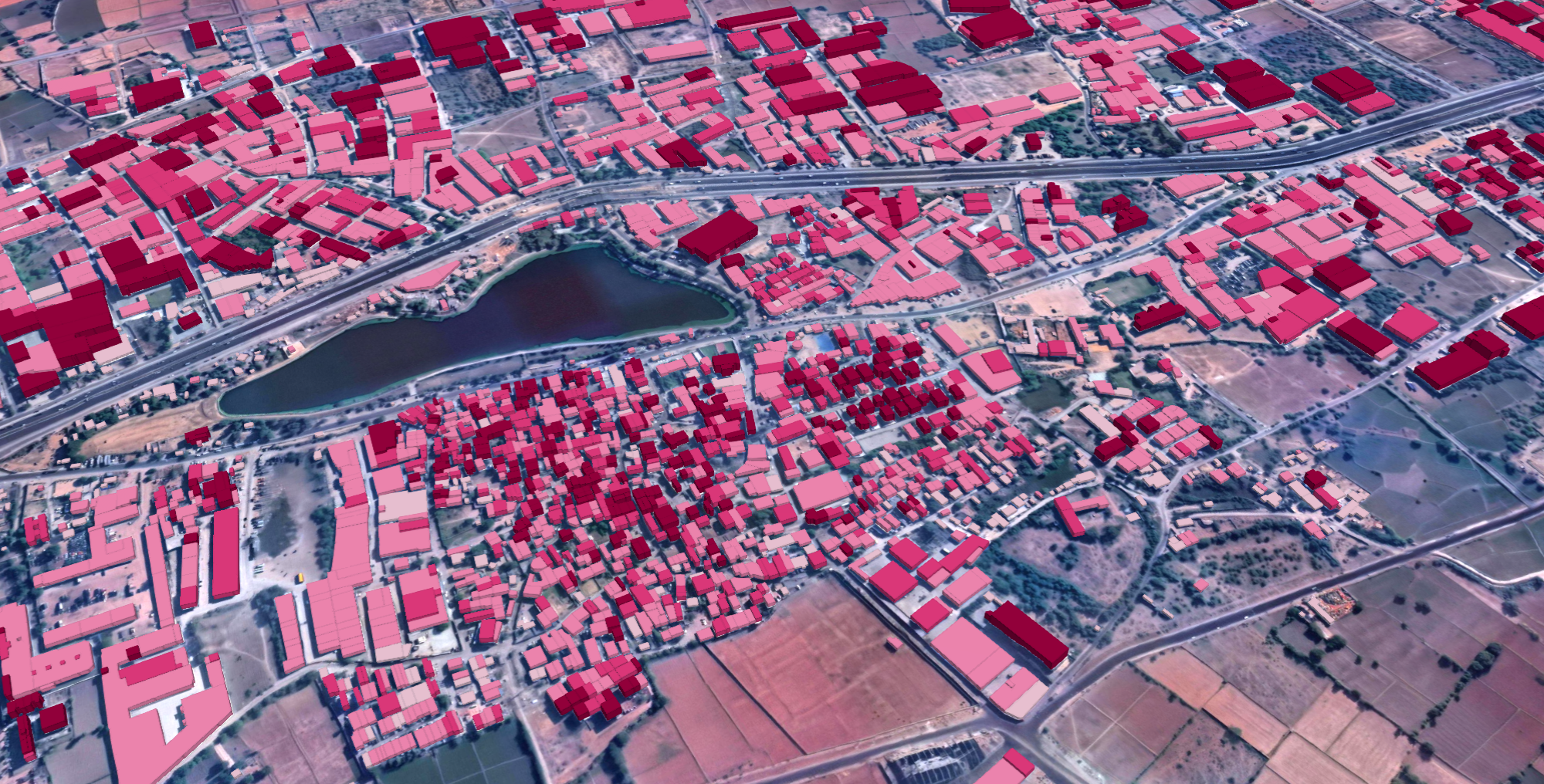
Ecopia & Vantor define the new era of mapping
To alleviate these challenges and usher in a new era of mapmaking, Ecopia and Vantor have announced a landmark partnership and launched the most comprehensive, high-precision mapping data ever created. Together, we are producing a global dataset designed to set a new standard for accuracy, scale, and interoperability.
Ecopia 3D Land Cover Powered by Vantor unlocks the ability to create precise, interoperable vector data for buildings, roads, and other land cover layers anywhere on Earth. By combining Vantor’s vast, high-resolution satellite imagery library and automated spatial fusion software with Ecopia’s AI-based mapping system, this partnership enables the creation of up-to-date maps at a speed and scale never before possible.

Ecopia 3D Land Cover Powered by Vantor
With over a decade of proven expertise in AI-based geospatial mapping, Ecopia brings automation and efficiency to a process that once required extensive manual digitization. Leveraging the most recent georegistered imagery from Vantor’s 10+ year archive, Ecopia’s AI map engine efficiently extracts high-precision vector features at large scales without sacrificing data quality. This automated process results in a standardized data schema across global geographies, ensuring consistency in visualizations, analytics workflows, and models.
The global coverage of Vantor’s satellite constellation makes it possible to extract vectors anywhere in the world - even the most remote and underserved locations. These sensors collect nearly 7 million square kilometers of spatially aligned, high-resolution satellite imagery every day, with the ability to revisit the same location up to 15 times in a single day. This foundational coverage and currency, paired with Ecopia’s feature extraction efficiency, enable frequent updates to map data to maintain parity with the real world.
As Vantor’s satellites collect imagery from different sensors, at different times, and under varying conditions, their automated fusion process reconciles any variations by precisely aligning new imagery against its advanced spatial foundation, which maintains industry-leading accuracy of approximately 3 meters. By normalizing imagery across sensors and acquisition dates, the spatial fusion process ensures that features extracted from one image align seamlessly with those derived from another - even years apart. This prevents the “drifting” effect that often occurs when vectors are updated against successive imagery layers without a common georegistered reference.

Ecopia and Vantor’s partnership and innovation represent the start of a new geospatial era where access to accurate, comprehensive, current, and consistent 2D and 3D map data anywhere in the world is the norm for any organization, large or small. To learn more about Ecopia 3D Land Cover Powered by Vantor, get in touch with our team.
Learn more about Ecopia
Ready to get started?
