
Transportation infrastructure plays a critical role in shaping mobility, yet safe access to transportation networks for vulnerable road users varies widely across communities. Understanding where these inequities exist requires detailed, data-driven insight into both transportation features and the populations they serve.
This blog explores how artificial intelligence (AI)-powered geospatial data from Ecopia AI (Ecopia) can be combined with demographic information to identify disparities in pedestrian safety and accessibility. Using a case study from Baltimore, Maryland, it demonstrates how these insights can help civil engineering firms and the communities they work with target investments to create more equitable transportation networks.
Understanding vulnerable road users
Transportation networks should keep everyone safe and moving, no matter how they travel. Pedestrians, cyclists, the elderly, and people with disabilities, often referred to as ‘vulnerable road users,’ rely on streets that are safe and accessible. However, these groups face greater safety risks and accessibility challenges compared to drivers, making their needs essential to consider in transportation planning.
Protecting vulnerable road users means providing accessible and supportive transportation infrastructure in every community. Pedestrian access route features such as sidewalks and bike lanes help provide safer travel options, encourage healthy lifestyles, and enhance overall quality of life.
Ensuring these features are accessible to all, including those living with disabilities, is critically important. For decades federal policies, including the Americans with Disabilities Act (ADA), have reinforced infrastructure accessibility. For example, sidewalks must be at least 3 feet wide to be considered ADA compliant. Additionally, Public Right-of-Way Accessibility Guidelines (PROWAG) recommend that sidewalks be at least 4 feet wide to accommodate a more diverse group of vulnerable road users.
Leveraging GeoAI to understand transportation equity
Understanding accessibility guidelines is only the first step. To support vulnerable road users, metropolitan planning organizations (MPOs), departments of transportation (DOTs) and their civil engineering partners must first understand existing infrastructure in order to develop strategic plans for expanding availability and accessibility.
Civil engineering firms often play a key role in helping transportation agencies understand their transportation networks by advising on actionable improvements to support vulnerable road users. However, obtaining detailed data on transportation networks has traditionally required manual digitization, a slow and labor-intensive process.
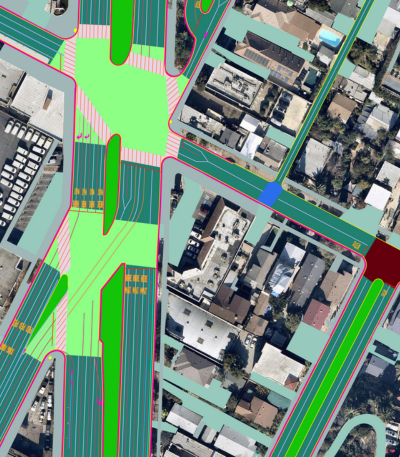
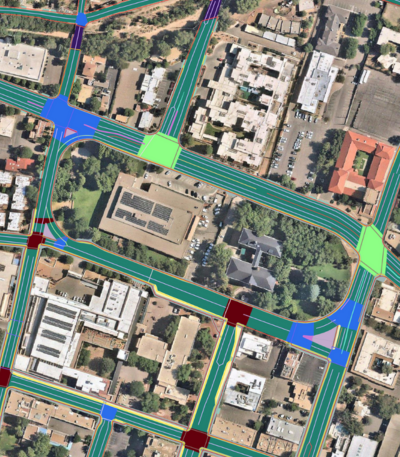
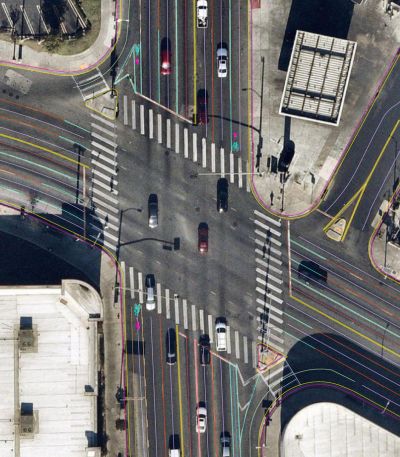
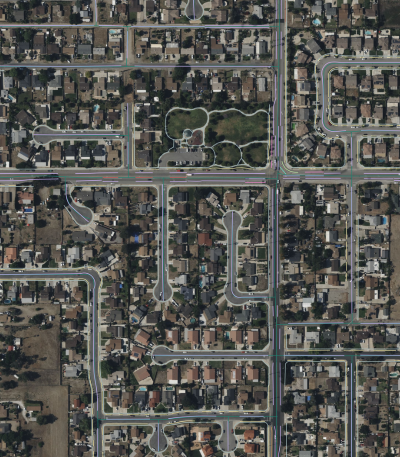
Today, new technology offers a fast and highly accurate alternative. Ecopia’s AI-powered mapping systems use high-resolution imagery to efficiently extract detailed vector layers for critical transportation infrastructure, including sidewalks with width attribution, crosswalks, bike lanes, medians, intersections, turning lanes, striping, tree canopy, and more. This data provides a digital source of truth, enabling transportation agencies and civil engineering firms to easily locate gaps in transportation networks, while saving time and money in the process.
A case study in transportation safety and equity: Baltimore, Maryland
The high-precision data Ecopia provides is powerful on its own, but even more so when combined with demographic information such as income and disability prevalence. Layering these datasets gives civil engineering firms and transportation agencies the contextual insights they need to create transportation networks that are safe, accessible, and equitable. The next section of this blog explores how Ecopia’s Advanced Transportation Features can be combined with US Census Bureau data to better understand transportation equity in communities, using an analysis Ecopia conducted in Baltimore as an example.
Visualizing transportation infrastructure
Baltimore has over 700 miles of sidewalks, crosswalks, pedestrian bridges, and ADA curb ramps, serving as key infrastructure for assessing transportation equity. Transportation network data from Ecopia and the Maryland DOT can be visualized to highlight geographic patterns across the city.

This data can be used to calculate statistics that offer an overview of transportation equity in the region. However, this is just the first step. To understand where and why inequities occur, infrastructure data can be combined with demographic information, giving decision-makers the insights they need to make communities safer and more accessible.

Mapping pedestrian route accessibility
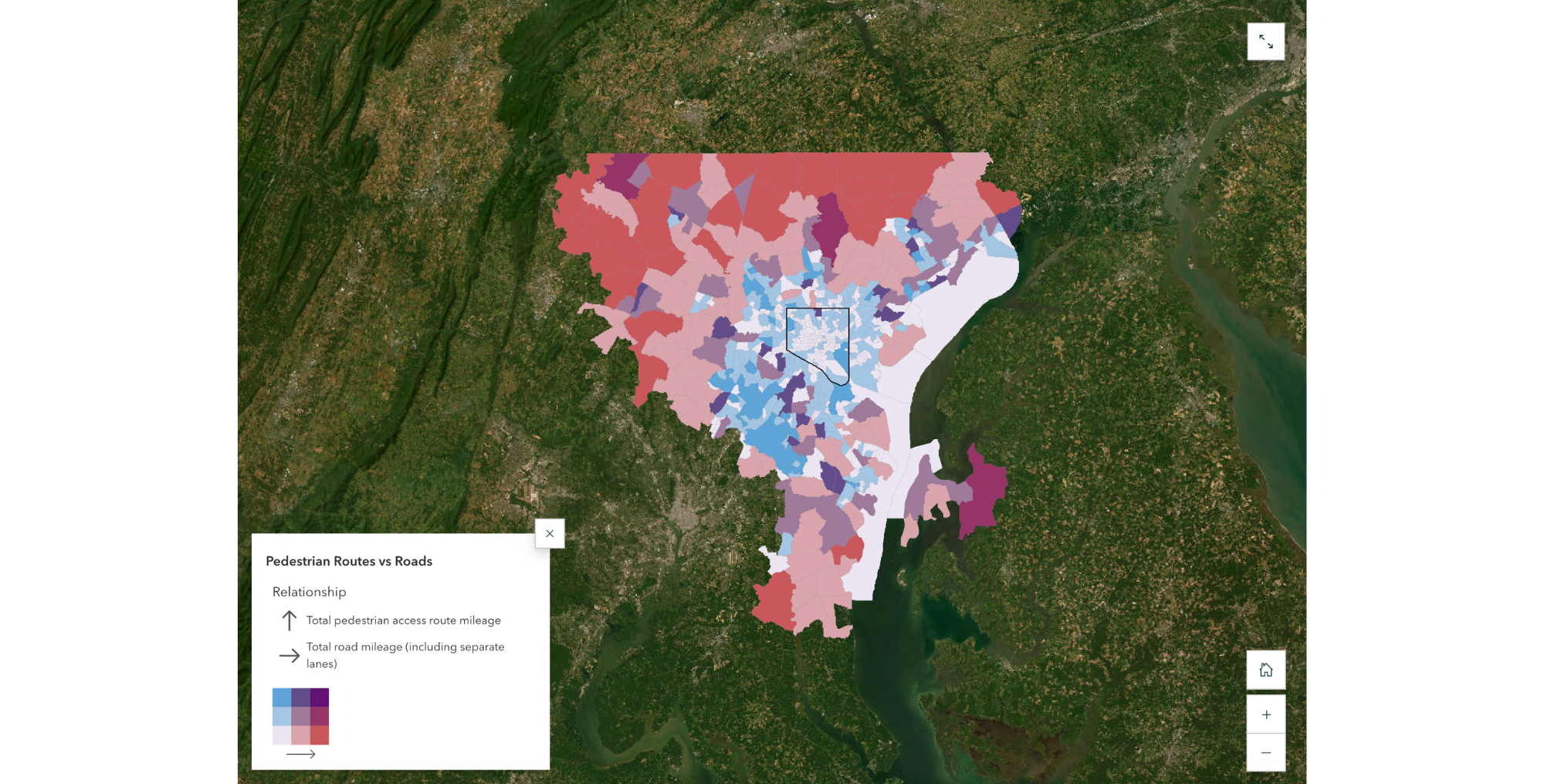
Visualizing the relationship between total road mileage and total pedestrian access route mileage shows that Baltimore has more pedestrian access routes in urban areas, more traditional roads in rural areas, and a mix of both in suburban areas. While this pattern is typical of US cities, the visualization alone provides new insights for planning purposes.
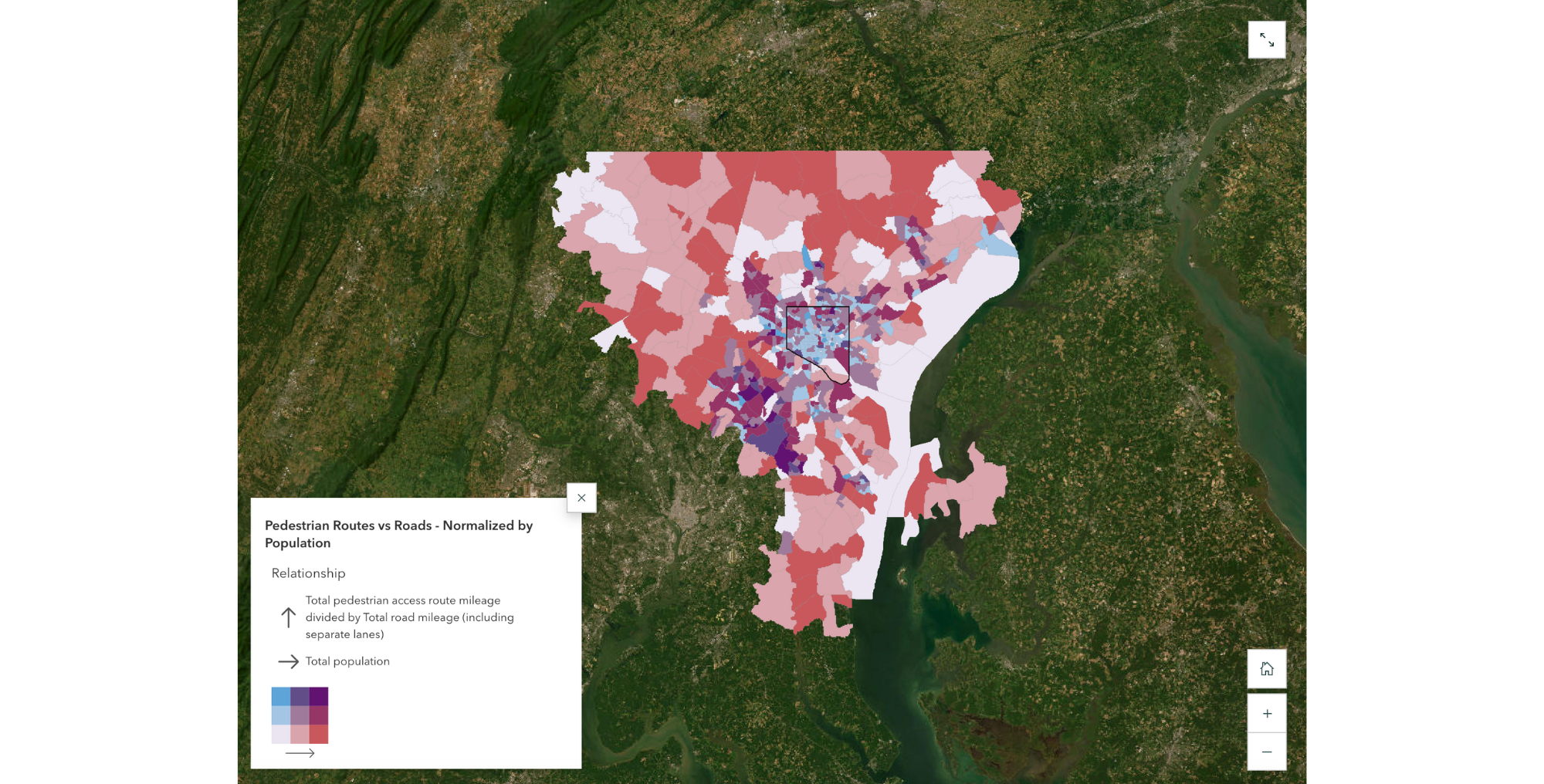
This analysis can be taken a step further by normalizing the data to account for total census tract population. Doing so reveals the relationship between total road mileage and pedestrian access route mileage per person by census tract, highlighting areas of disparity, particularly in urban neighborhoods. This provides more actionable insights for planning by indicating where pedestrian access routes and roadways are in relation to the area's population.
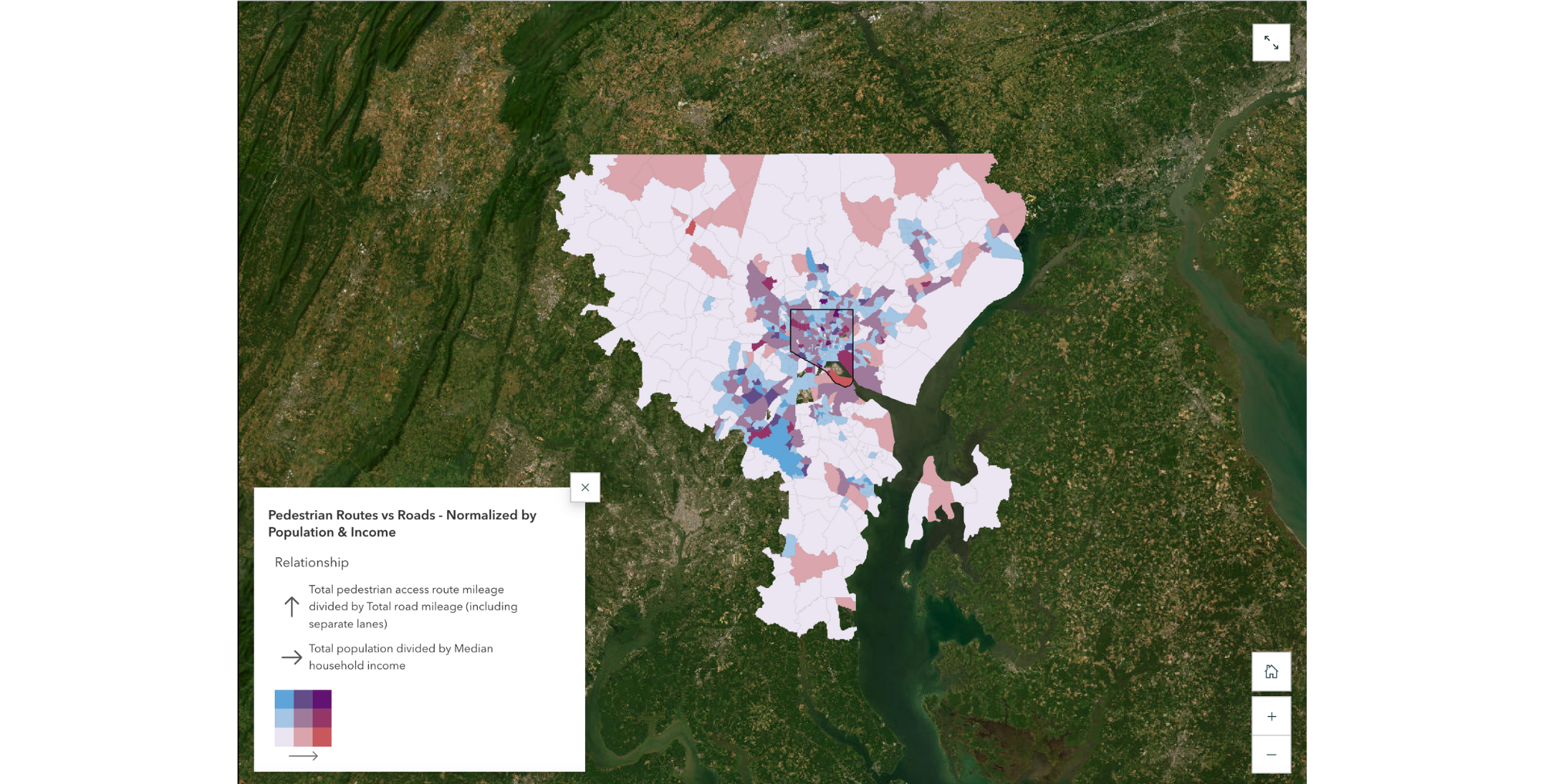
Additional data can be layered in to gain deeper insights. For instance, higher income is positively correlated with the tendency to use a vehicle and not be as reliant on pedestrian infrastructure. Adjusting the normalization method to account for median household income instead of population can help show areas of inequality, notably in outer city neighborhoods and inner suburbs. These insights can guide planning decision-making and be further enriched by incorporating additional data like number of households with access to a vehicle in a census tract.
Ultimately, normalizing by population and income provides the most reliable method of identifying underserved areas. In this case, transportation inequities are concentrated in the city’s outer neighborhoods and inner suburbs, indicating these areas as strategic targets for funding and improvements.
View the storymap to explore these maps in greater detail and learn more about pedestrian route accessibility in Baltimore.
Assessing crosswalk safety and equity
Crosswalks are another key element in understanding how vulnerable road users navigate transportation networks. Ecopia's detailed crosswalk data can be plotted as points and symbolized based on safety classifications to identify gaps, and quantify how many unsafe crosswalks a vulnerable road user would face in a transportation network.
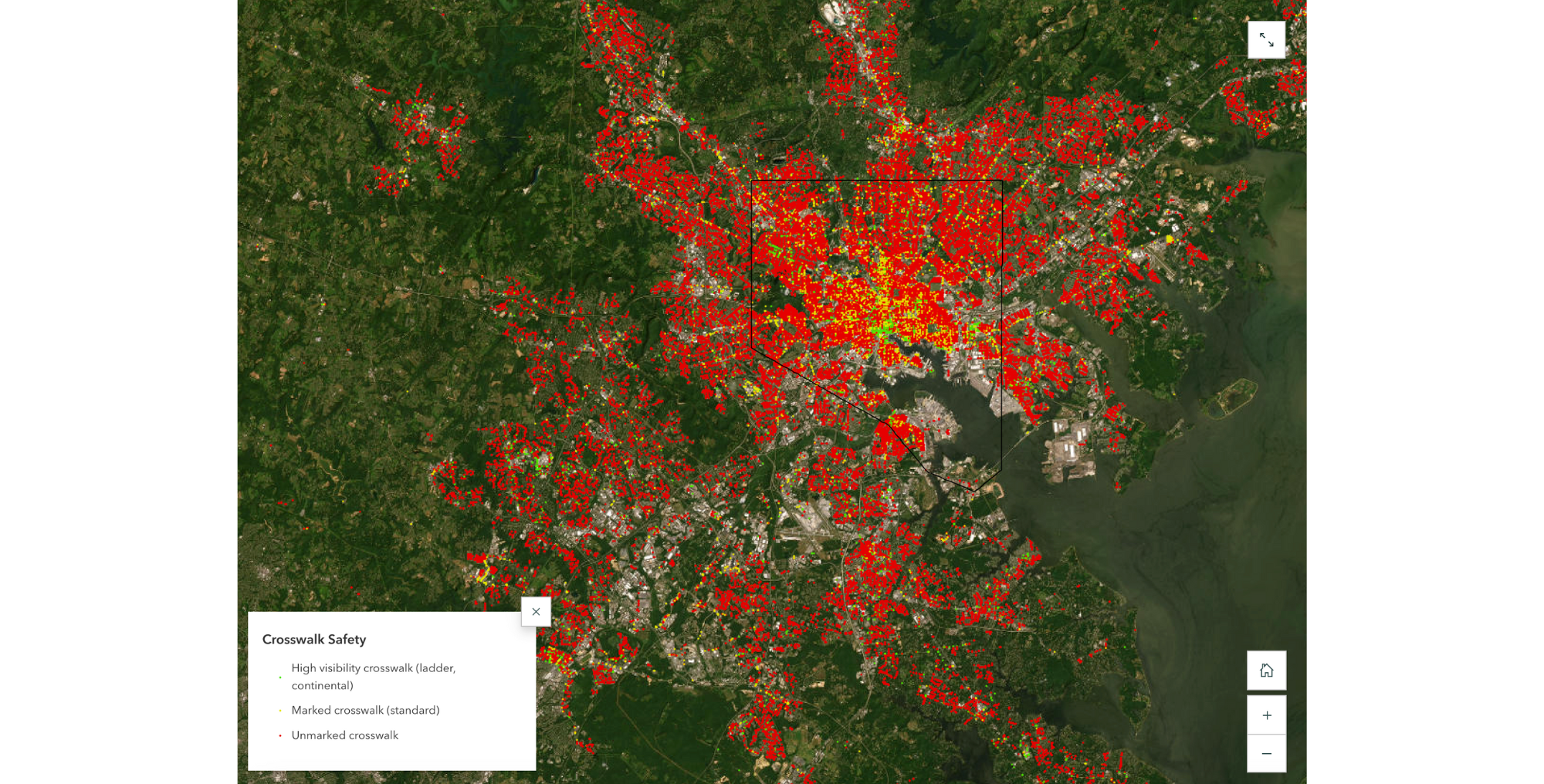
According to the Federal Highway Administration (FHWA) high-visibility crosswalks can reduce pedestrian injury crashes up to 40%. By aggregating crosswalk safety data by census tract, it’s possible to see how different areas and populations are affected by variations in crosswalk visibility. This analysis in Baltimore revealed that the most visible crosswalks are concentrated in the city’s downtown core.
When this data is normalized by population, the trend across the region becomes less clear, with the greatest inequities appearing in suburban areas. However, normalizing by both population and income highlights the same underserved areas identified in the pedestrian access route analysis. This reinforces the need to allocate resources to these neighborhoods to improve transportation equity for vulnerable road users.
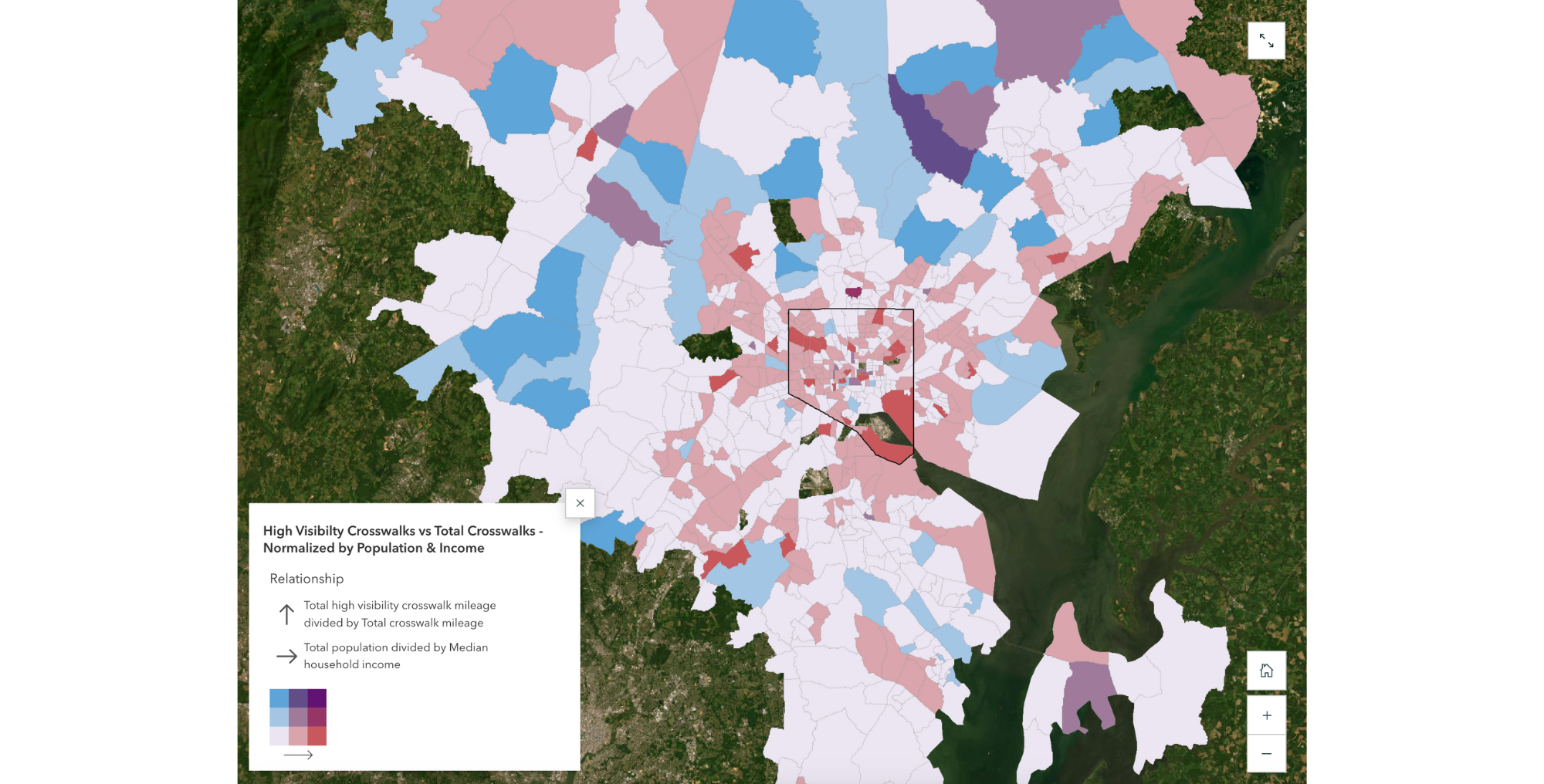
Normalizing this data by households without a vehicle, where more people are likely to walk, again highlights the same underserved neighborhoods. These areas are also emphasized when normalized by the population living with visual or mobility disabilities, who are most at risk at unsafe crosswalks, with the pattern even more pronounced in the city and some rural areas. Adding income to the analysis to account for people with disabilities who are more likely to rely on walking reinforces the same vulnerable areas: outer city neighborhoods and inner suburbs.

Upgrading standard crosswalks to high-visibility designs is a low-cost, high-impact way MPOs and DOTs can improve safety. As part of the analysis, hotspots were also analyzed alongside traffic volume and road speed to highlight where pedestrians are most at risk. For a closer look at these maps and insights, view the accompanying storymap.
Understanding sidewalk access and equity
In addition to crosswalks, sidewalks are critical features for vulnerable road users. ADA and PROWAG sidewalk width guidelines are designed to ensure individuals with disabilities can safely access sidewalks, providing enough space to accommodate mobility devices.
The map below visualizes sidewalks throughout the region by width, and indicates that Baltimore's downtown areas have the widest, most accessible sidewalks, while outer city neighborhood sidewalks are less accessible. Additionally, some suburban and rural areas don't have any sidewalks at all.
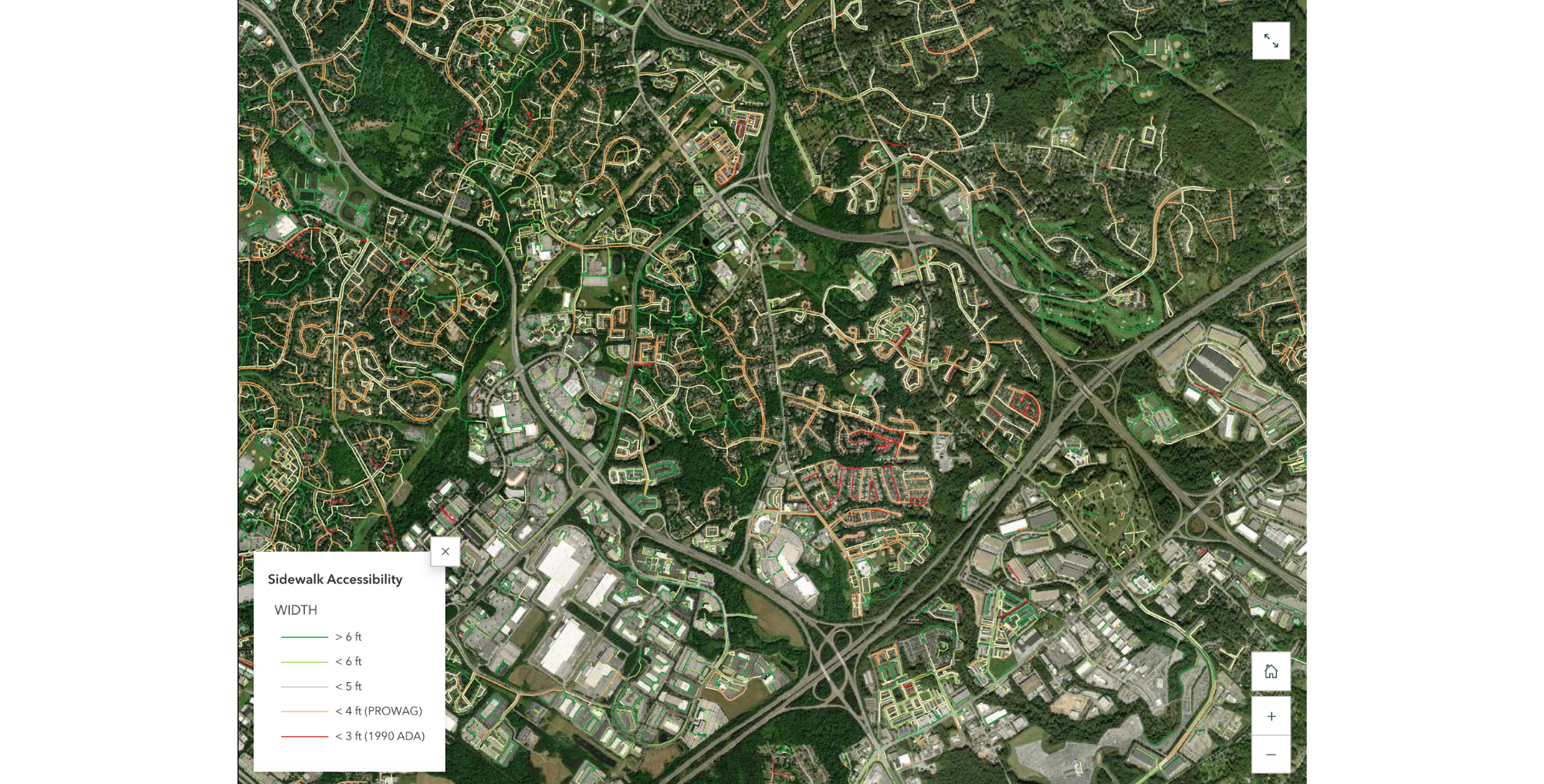
Aggregating this sidewalk data by census tract shows that Baltimore's downtown core has a high percentage of ADA and PROWAG compliant sidewalks, but other areas of the city have less accessible sidewalks.
Normalized by population, the same trends can be seen. However, there are some areas with high-accessibility sidewalks and a lower population, while higher population areas exist with more inaccessible sidewalks, highlighting areas of inequality.
When normalized by both population and income, as shown in the map below, the same hotspots of inequality previously identified in the inner suburbs and outer city neighborhoods are highlighted. These areas have populations less likely to use a car and more reliant on pedestrian access routes, yet sidewalks remain less accessible.

Looking at the population most likely to use a mobility device, sidewalk access is uneven across the region. Combining this with income data shows that people with ambulatory disabilities in outer city neighborhoods and inner suburbs have the least access to safe sidewalks.

These insights offer valuable context that helps guide planning and decision-making toward the highest-impact outcomes. Explore these maps in greater detail and learn more about sidewalk safety and equity in Baltimore by viewing the accompanying storymap.
Evaluating the safety and accessibility of curb ramps
Curb ramp warning pads are a critical feature of an accessible transportation network, helping visually impaired road users detect when they are approaching traffic. In the US, these pads are typically bright yellow or another highly contrasting color.
Visualizing the locations of these features shows that warning pads are most common in newly developed areas and along major routes, generally reflecting nationwide trends for curb ramp placement.
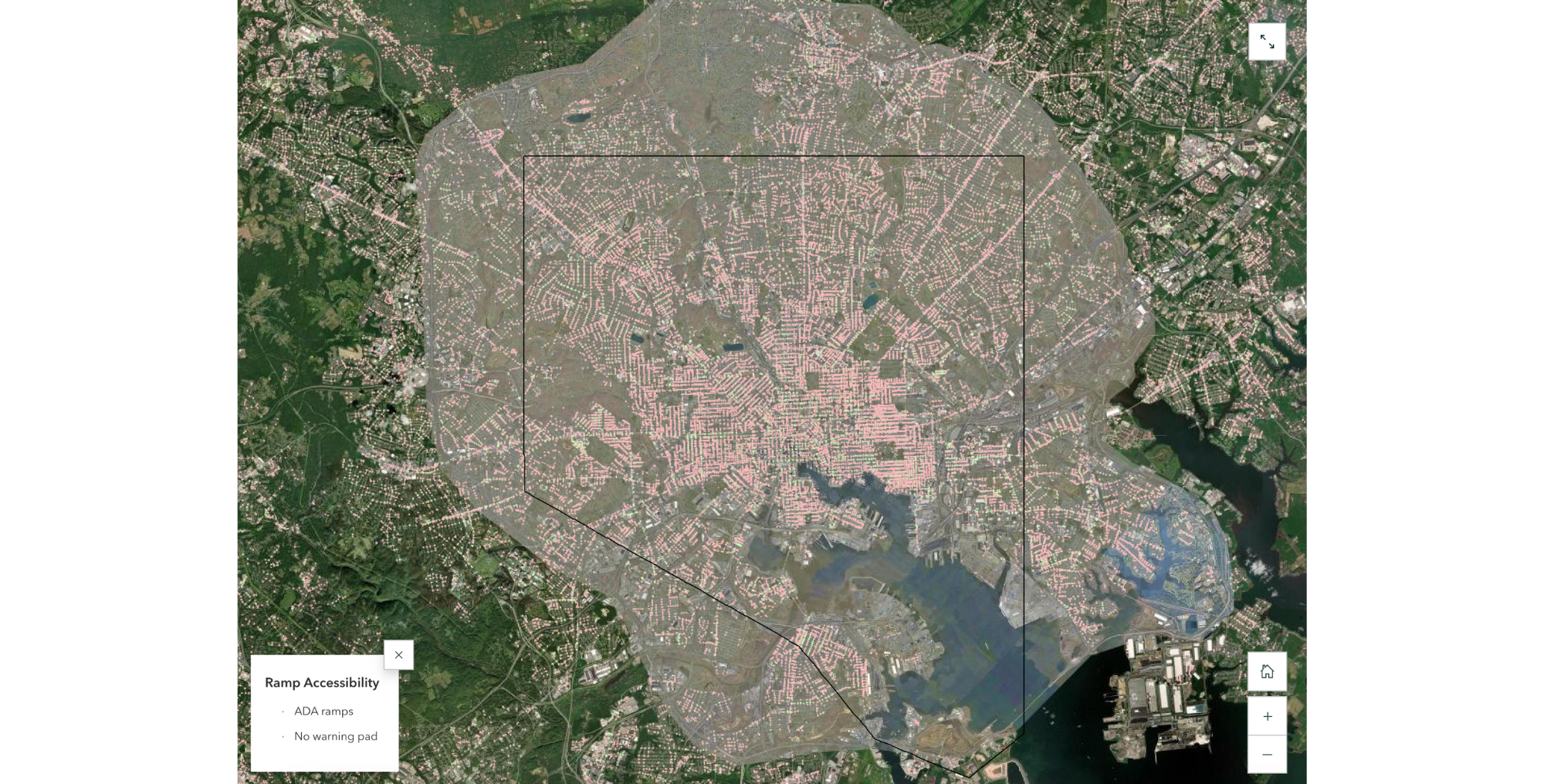
Visualized by census tract, there are a few outliers of accessibility, but no real insights for strategic planning or resource allocation. However, when normalized by population, Baltimore’s downtown core and newer development areas show higher concentrations of curb ramp warning pads.
Adding income data highlights the pattern of outer city neighborhoods having fewer accessible transportation features - in this case, curb ramp warning pads - though the disparity is less pronounced than the inequalities seen in crosswalks or sidewalks.

When normalized by the population living with visual disabilities, inequality seems to be dispersed throughout the region. This likely reflects the smaller number of visually impaired individuals compared with other disability groups, such as those with ambulatory disabilities. However, adding income into the analysis highlights the same areas of inequality despite the small sample size: outer city neighborhoods and inner suburbs, as shown in the map below.

View the interactive storymap to explore these maps in detail and learn more about curb ramp accessibility and equity in Baltimore.
Where vulnerable road users face the most risk
This case study highlights specific areas in the Baltimore region with transportation concerns for vulnerable road users. In general, the outer neighborhoods of the City of Baltimore and the region's inner suburbs tend to have the highest levels of inequality when it comes to pedestrian safety and access features. This data is detailed enough to identify specific gaps at the census tract level, giving civil engineering firms, MPOs, and DOTs actionable insights to prioritize improvements and allocate resources effectively. For a full, interactive view of the analysis and maps, explore the storymap here.
Supporting vulnerable road users with AI-powered geospatial data
High-precision transportation feature data, when combined with demographic information, provides actionable insights to pinpoint gaps in infrastructure and prioritize improvements for vulnerable road users. At Ecopia, we have partnered with civil engineering firms, MPOs, and DOTs across North America to support these efforts.
Our Advanced Transportation Features are extracted with a >95% geometric accuracy guarantee, so users can rely on the data with confidence. Ecopia’s high-precision planimetric transportation data is available off-the-shelf across North America.
For more information and to access the dataset, contact our team today.
Learn more about Ecopia's transportation planning solutions

Ready to get started?
